
The Pros and Cons of Prepaid Electricity: Is it Cheaper Than Monthly Billing? sets the stage for this enthralling narrative, offering readers a glimpse into a story that is rich in detail with casual formal language style and brimming with originality from the outset.
Exploring the intricacies of prepaid electricity and its comparison with traditional monthly billing unveils a world of possibilities and considerations for consumers.
Pros of Prepaid Electricity
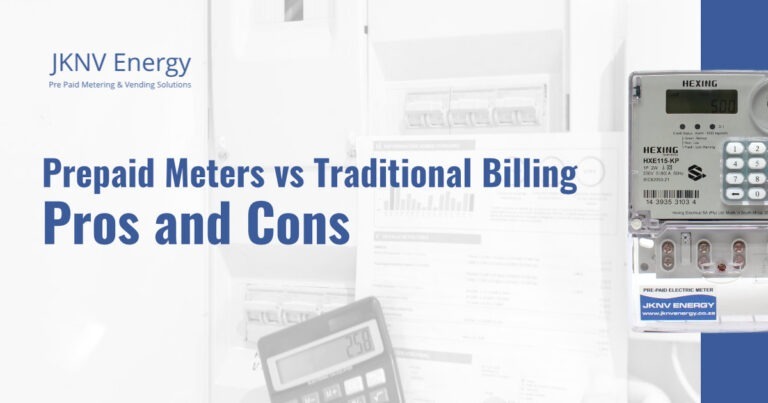 Prepaid electricity offers several advantages to consumers who prefer a more flexible and controlled approach to managing their energy usage.
How Prepaid Electricity Works
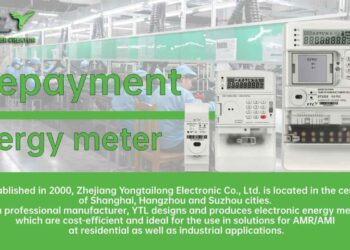
Prepaid electricity works by allowing consumers to pay for their electricity upfront, similar to how you would top up a prepaid phone. This means that users can monitor their electricity usage in real-time and adjust their consumption accordingly.Benefits of Having Control Over Energy Usage
With prepaid electricity, consumers have the ability to monitor their energy consumption closely, leading to increased awareness and more conscious use of electricity. This can result in reduced energy wastage and ultimately lower electricity bills.Advantages of Avoiding Surprise Bills
One of the key benefits of prepaid electricity is the elimination of surprise bills at the end of the month. Since users pay for electricity upfront, there are no unexpected charges, making it easier to budget and plan for expenses.Flexibility of Payment Options
Prepaid electricity offers flexibility in payment options, allowing consumers to choose how much electricity they want to purchase and when to top up their account. This can be particularly beneficial for those on a tight budget or looking for greater control over their spending.Cons of Prepaid Electricity
Prepaid electricity plans offer some benefits, but there are also drawbacks that consumers should consider before opting for this payment method.
Limitations in Usage
One of the main drawbacks of prepaid electricity is the potential for running out of credit unexpectedly. If you forget to top up your account, you could be left without power at inconvenient times, such as during extreme weather conditions.
Additional Fees and Charges
Prepaid electricity plans often come with extra fees and charges that can add up over time. These fees may include transaction fees for topping up your account or reconnect fees if your power is disconnected due to insufficient funds.
Not Suitable for All Consumers
While prepaid electricity can be a good option for some consumers who want more control over their energy usage, it may not be suitable for everyone. Those who prefer the convenience of set monthly bills or who have difficulty managing their finances may find prepaid plans more challenging to maintain.
Cost Comparison
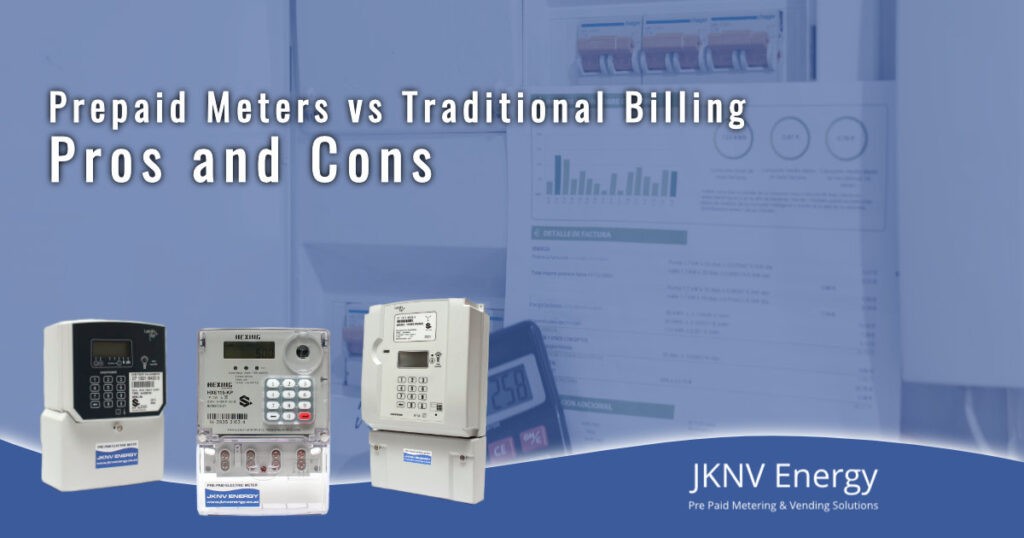
When comparing the cost of prepaid electricity with monthly billing, several factors come into play that can influence which option is more cost-effective for consumers. Let's delve into the details to understand the scenarios where prepaid electricity may prove to be cheaper and the factors that contribute to cost savings between the two billing methods.
Prepaid Electricity Cost Savings Scenarios
- Prepaid electricity may be cheaper for individuals who want greater control over their energy consumption. By actively monitoring their usage and adjusting their habits, consumers can potentially reduce their overall energy costs.
- In cases where customers have variable energy needs throughout the month, prepaid electricity allows for flexibility in usage. This means that during low-usage periods, individuals can conserve energy and save on costs more effectively compared to a fixed monthly billing cycle.
Factors Influencing Cost Savings
- One significant factor that can influence cost savings is the ability to track energy consumption in real-time with prepaid electricity. This transparency empowers consumers to make immediate adjustments to their usage habits to lower their energy bills.
- Additionally, prepaid electricity eliminates the surprise of high bills at the end of the month, as individuals prepay for their usage. This predictability can help consumers budget more effectively and avoid financial strain caused by unexpectedly high energy costs.
- Energy consumption habits play a crucial role in determining overall costs. With prepaid electricity, consumers who prioritize energy efficiency and conservation can see substantial savings over time by actively managing their usage patterns.
Ending Remarks
In conclusion, weighing the advantages and disadvantages of prepaid electricity against monthly billing sheds light on a nuanced decision-making process. By understanding the intricacies of these payment methods, consumers can make informed choices that align with their energy usage patterns and financial objectives.
User Queries
Is prepaid electricity suitable for everyone?
Prepaid electricity may not be ideal for all consumers, especially those who prefer the convenience of traditional monthly billing.
Are there any hidden fees with prepaid electricity?
Some prepaid plans may have additional fees, so it's essential to carefully review the terms and conditions before opting for this payment method.
Can prepaid electricity lead to cost savings?
Depending on individual energy consumption habits, prepaid electricity can result in cost savings compared to monthly billing in certain scenarios.
How does prepaid electricity impact energy usage?
Prepaid electricity offers consumers more control over their energy usage, potentially leading to more conscious consumption patterns.